Madagascar Travel Safety, Cost & Key Facts
Few destinations on Earth pack as much promise and peril into one island as Madagascar. Ask any traveler who’s actually been, and you’ll hear a different side—chronic poverty, shaky infrastructure, and a travel advisory that makes you think twice.
Population: 31.9 million (2024) •
Rank by land area: 4th largest island globally •
Capital: Antananarivo •
Official languages: Malagasy, French •
World Bank income group: Low-income
Quick snapshot
- Population ~31.9 million – World Bank (population data)
- Official languages: Malagasy, French (World Bank (population data))
- Ethnic groups: 18-plus main groups (World Bank (population data))
- Low-income country – World Bank (country overview)
- Top vanilla exporter – Wikipedia (economy)
- Tourism is a key sector (World Bank (country overview))
- Lemur watching – Wikipedia (lemurs)
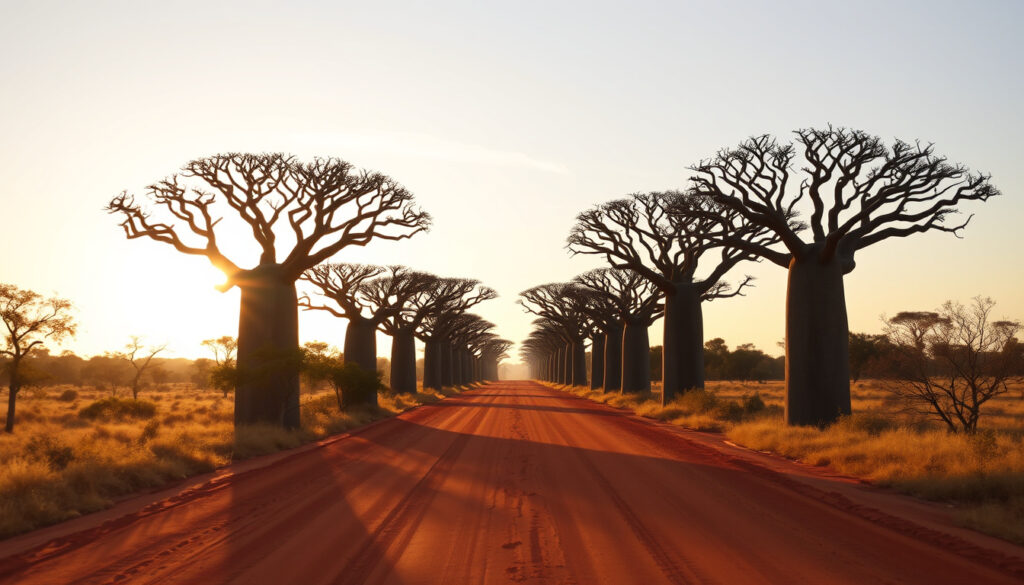
- Baobab Avenue (Wikipedia (lemurs))
- Rainforests and beaches (Wikipedia (lemurs))
Six key facts that sum up the country’s profile.
| Label | Value |
|---|---|
| Population | 31.9 million – World Bank (population data) |
| Capital | Antananarivo |
| Official languages | Malagasy, French |
| Area | 592,800 km² – Wikipedia |
| GDP per capita | ~$500 – World Bank (GDP data) |
| Leading cause of death | Lower respiratory infections – WHO (public health agency) |
Is Madagascar a safe holiday destination?
Crime and personal safety for tourists
- The U.S. Department of State (travel advisory) rates Madagascar at Level 2: Exercise increased caution due to crime, unrest, and health risks.
- Violent crime occurs throughout the country, especially after dark, in remote areas, and along major roads in the south and west – same source.
- Petty crime is common, particularly in tourist locations – same source.
Regional safety variations
- The Government of Canada (travel advisory) advises a high degree of caution because of a high crime rate and potential political instability.
- The New Zealand SafeTravel (official travel advice) warns of more significant safety or security concerns than travelers would usually find in New Zealand.
Travel advisory level from U.S. State Department
The U.S. State Department notes that strikes and protests related to political and economic conditions occur regularly, particularly near elections. The advisory remains Level 2 as of 2025.
Travelers from Western countries face low risk of violent victimization if they stick to tourist zones and avoid night travel on remote roads. The Government of Canada puts it plainly: “Exercise a high degree of caution.”
Is Madagascar a rich or poor country?
Per capita income and poverty rate
- The World Bank (country overview) classifies Madagascar as a low-income economy with a GDP per capita of about $500.
- More than 70% of the population lives below the national poverty line – same source.
Economic sectors: agriculture, mining, tourism
- Agriculture employs the majority of the workforce; vanilla, cloves, and coffee are leading exports – Wikipedia (economy).
- Mining (nickel, cobalt, ilmenite) is a growing sector, but benefits are constrained by limited infrastructure – same source.
- Tourism contributed about 6% of GDP pre-COVID and is recovering – World Bank (tourism data).
Corruption and infrastructure challenges
- The country ranks 147th out of 180 on the Transparency International Corruption Perceptions Index (anti-corruption NGO), indicating high perceived corruption.
- Roads, electricity, and water supply are unreliable, especially outside urban centers.
Madagascar’s natural wealth—vanilla, gemstones, arable land—hasn’t translated into broad prosperity. The World Bank (country overview) links this to political instability and weak institutions.
What are 5 facts about Madagascar?
Fourth largest island in the world
- Madagascar is the world’s fourth-largest island after Greenland, New Guinea, and Borneo, covering 592,800 km² – Wikipedia.
Endemic lemurs and other wildlife
- Lemurs are endemic to Madagascar – they occur nowhere else in the wild – Wikipedia (lemurs).
- About 80% of the island’s plant and animal species are found only there, including the fossa, chameleons, and baobab trees – World Wildlife Fund (conservation organization).
Malagasy language and ethnic groups
- The official languages are Malagasy and French. The Malagasy people consist of over 18 ethnic groups, each with its own dialect and traditions – Britannica (encyclopedia).
What is the main problem in Madagascar?
Poverty and food insecurity
- Chronic poverty affects more than 70% of the population, with food insecurity exacerbated by cyclones and drought – World Bank (country overview).
- A severe drought in the south has pushed hundreds of thousands into near-famine conditions in recent years.
Political instability
- The Singapore Ministry of Foreign Affairs (travel advisory) notes that large-scale protests and political upheaval took place in September and October 2025, and the situation has calmed only after the installation of a transitional government.
Deforestation and environmental degradation
- Madagascar has lost around 40% of its forest cover since the 1950s, driven by slash-and-burn agriculture and illegal logging – Global Forest Watch (forest monitoring platform).
The loss of forest directly threatens the unique species that make Madagascar a global conservation priority. It also worsens flood and drought cycles for rural communities.
Is Madagascar an expensive holiday?
Budget travel: accommodation and food costs
- Budget travelers can find guesthouses for $15–$30 per night and local meals for $2–$5 – based on traveler reports.
- Mid-range options cost $60–$100 per night.
Mid-range and luxury options
- Luxury lodges in national parks can cost $200–$500 per night.
- Internal flights between major destinations range $100–$300 per leg.
Flights and internal transport costs
- International flights from Europe or the US typically cost $800–$1,200 round trip.
- Road travel is cheap but slow and unreliable; renting a 4×4 with driver costs about $70–$100 per day.
What is Madagascar most famous for?
Lemurs and unique biodiversity
- Over 100 lemur species and subspecies live only on the island – Wikipedia (lemurs).
- No other place on Earth has such a high percentage of endemic mammal families.
Baobab trees
- The Avenue of the Baobabs near Morondava is one of Madagascar’s most photographed landscapes – Wikipedia (Avenue of the Baobabs).
Vanilla and spices
- Madagascar is the world’s largest producer of vanilla, accounting for about 80% of global supply – Wikipedia (vanilla production).
The vanilla boom has enriched a few, but most farmers remain poor. Price volatility and theft are constant issues.
Pros and cons of visiting Madagascar
Upsides
- Unmatched wildlife encounters (lemurs, chameleons)
- Low tourist numbers compared to other safari destinations
- Affordable once you’re there
- Culturally rich with diverse ethnic traditions
- Stunning landscapes from rainforest to beach
Downsides
- Significant crime and safety concerns
- Poor infrastructure (roads, electricity, healthcare)
- Expensive and time-consuming internal travel
- Political instability leads to periodic unrest
- Health risks: malaria, plague, inadequate medical facilities
Clarity: What we know and what remains uncertain
Confirmed facts
- Madagascar is one of the world’s poorest countries – World Bank (country overview)
- Lemurs are endemic to the island – Wikipedia (lemurs)
- U.S. State Department has issued a Level 2 travel advisory – U.S. Department of State (travel advisory)
- Cyclone season runs November to March – Singapore Ministry of Foreign Affairs (travel advisory)
- Plague cases are reported annually between September and April – New Zealand SafeTravel (travel advice)
What’s unclear
- Exact safety level for tourists varies widely by region and time of day
- Cost of travel depends greatly on travel style and willingness to rough it
- Long-term political stability remains uncertain after the 2025 transition
What travelers say: perspectives from official sources
Madagascar remains a low-income economy with high poverty rates and an economy heavily dependent on agriculture and tourism. Political instability and weak institutions continue to constrain development.
U.S. citizens should exercise increased caution in Madagascar due to crime, civil unrest, and health risks. Do not travel to remote areas of the south and west due to violent crime.
Lower respiratory infections are the leading cause of death in Madagascar, followed by malaria and diarrheal diseases. Access to quality healthcare is limited outside the capital.
For travelers weighing a trip to Madagascar, the choice is clear: plan meticulously, budget for unexpected costs, and prioritize health precautions. Ignoring the country’s safety gaps and infrastructure reality can turn an adventure into a serious ordeal.
Related reading: Madagascar travel advisory, cost, poverty guide
travelsafetyindex.net, gov.uk, atta.travel, gov.uk, nj.com, vardekort.co.uk, traveladvisory.io, x.com, wwwnc.cdc.gov
Frequently asked questions
What is the best time to visit Madagascar?
The dry season (May to October) offers cooler weather and less rain. The cyclone season runs from November to March, making travel riskier and often cutting off remote areas.
Do I need a visa to visit Madagascar?
Tourists from most countries can obtain a visa on arrival for stays up to 90 days, as confirmed by the Singapore Ministry of Foreign Affairs (travel advisory). Passport must be valid for at least six months.
What vaccinations are needed for Madagascar?
The WHO (public health agency) recommends routine vaccinations plus hepatitis A, typhoid, yellow fever (if arriving from an endemic country), and malaria prophylaxis. Plague vaccination is not routinely recommended.
Can I use US dollars in Madagascar?
Towns and hotels often accept U.S. dollars, but the local currency is the Malagasy ariary (MGA). ATMs are available in Antananarivo and major towns, but carry cash for rural areas.
How long should I spend in Madagascar?
A minimum of two weeks is recommended to see a single region. Many travelers spend three weeks combining a national park (like Andasibe) with a beach destination (like Nosy Be).
What should I pack for Madagascar?
Lightweight clothing, rain gear, insect repellent with DEET, a first-aid kit, and a headlamp. For the highlands, bring a jacket. Water purification tablets are essential.
Is tap water safe to drink in Madagascar?
No. The WHO (public health agency) recommends drinking only bottled or properly treated water. Stomach illnesses are common among travelers who ignore this.
More related posts